
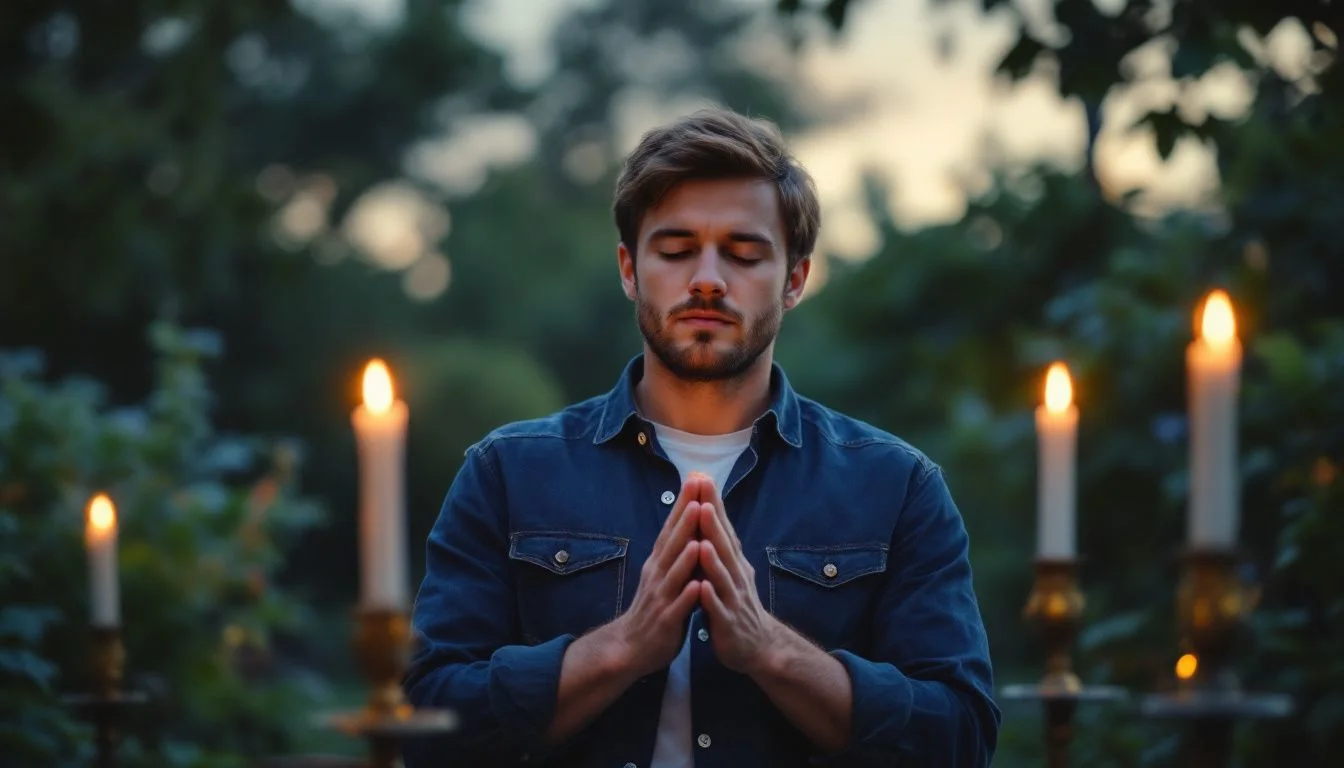
Are you wondering how and when to pray? You’re not alone. Many people look for the right time and way to communicate with God, but it’s simpler than it seems. Prayer doesn’t need a specific place.
You can talk to God whether you’re at home or walking down a busy street.
This article will clarify how to start conversations with your heavenly Father by explaining what prayer is and discussing common methods. It will also point out the best times and places for these meaningful talks.
The aim is to make prayer easy and accessible.
Prayer lets us connect with God anytime, anywhere. There’s no need to wait for a special moment or location. Insights from scriptures like Matthew 6:9–13 show that talking to our Father in heaven is open and flexible – whether asking for guidance, seeking forgiveness, expressing gratitude, or needing help against temptation.
So, keep in mind that your connection with God through prayer can happen anytime you need it — offering peace, comfort, and direction on your faith journey.
What Is Prayer?


Prayer means talking to God, as Jesus showed in The Lord’s Prayer from Matthew 6:9-13. It’s not about using fancy words; it’s about being honest with God. He already knows my thoughts and needs.
Prayer is like reaching out to a close friend without having to pretend.
The Bible says, “Pray without ceasing” (1 Thessalonians 5:17). Through prayer, I admit that I don’t control everything in life but trust someone greater does—God. No matter my emotions, sharing them with God through prayer strengthens our relationship.
It shows trust and faithfulness. Prayer also keeps me reminded that God oversees everything, helping me avoid temptation and hear me when I ask for forgiveness for wrongdoings.
How to Pray

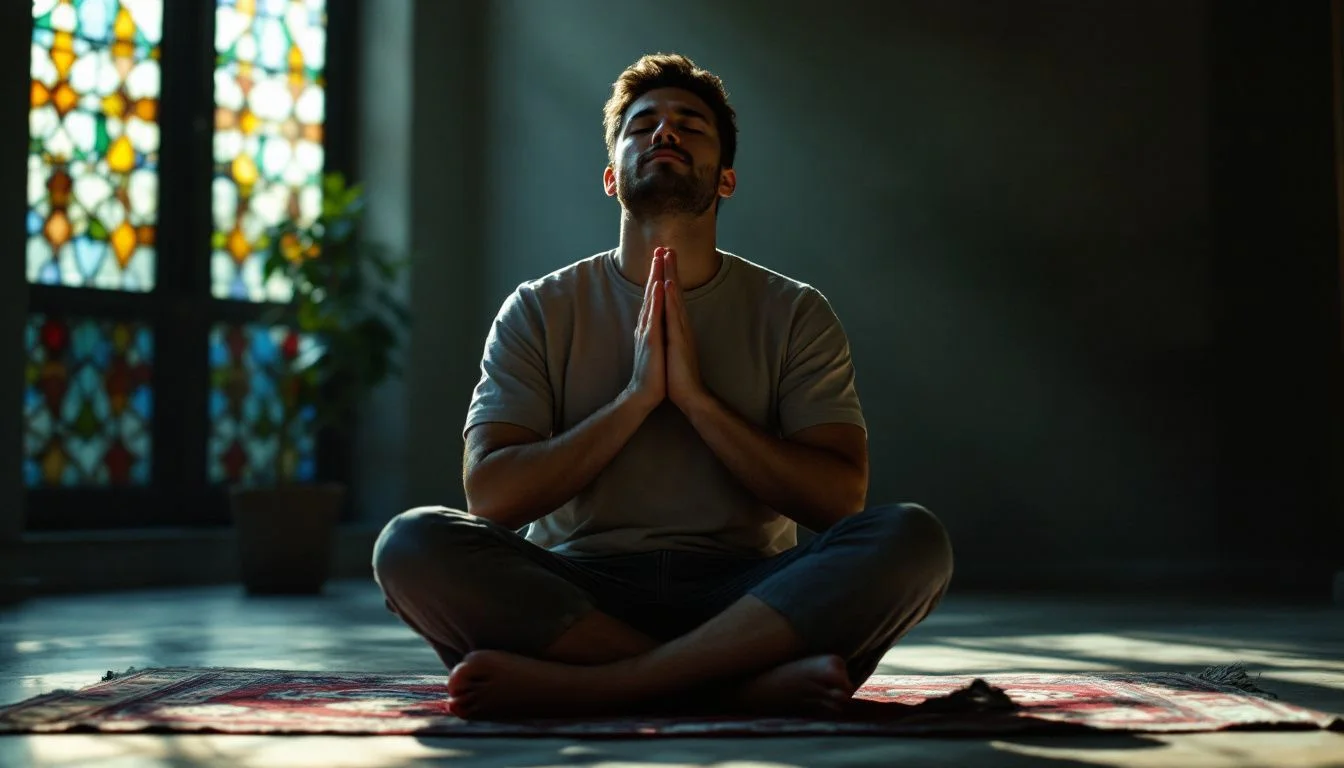
I talk to Father God by simply sharing my thoughts and feelings, including my needs and thanks. People show respect in different ways when they pray—standing, sitting, or kneeling.
Steps to Begin Prayer
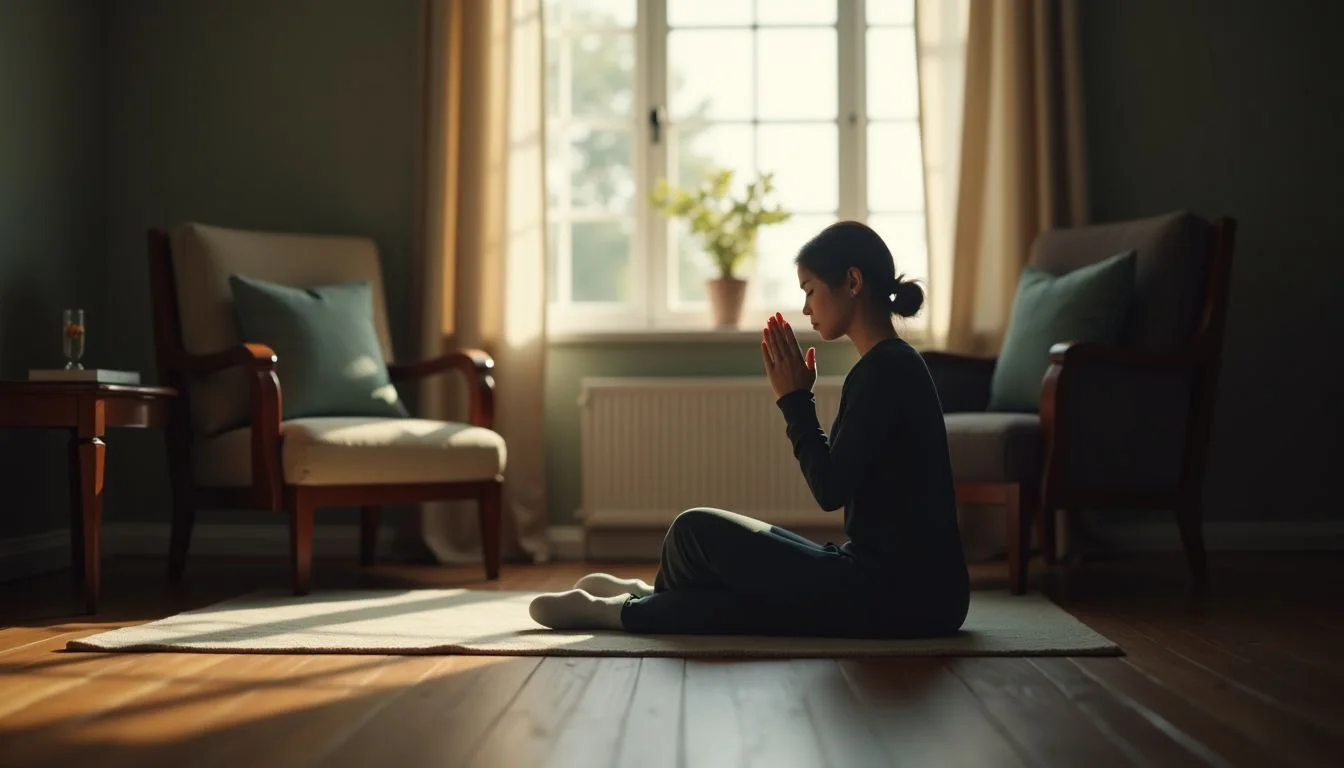
Begin the day with prayer to stay focused on God.
- Pick a quiet place, like a room or outdoors, to avoid distractions.
- Sit or kneel comfortably and consider closing your eyes to concentrate on God.
- Start by thanking Father in Heaven for His blessings, which prepares the heart for connection.
- Confess sins and request forgiveness, acknowledging Christ’s sacrifice grants mercy.
- Discuss personal struggles with God, seeking guidance and strength.
- Pray for others’ needs and ask for God’s help in their lives.
- Seek wisdom from the Holy Spirit for daily tasks.
- Finish by expressing faith in God’s plan, gratitude for His love, and patience for His timing.
Praying helps maintain a strong bond with Father God through life’s challenges. Morning or evening prayers can focus on personal issues, thankfulness, or assistance facing temptations.
Common Positions for Prayer
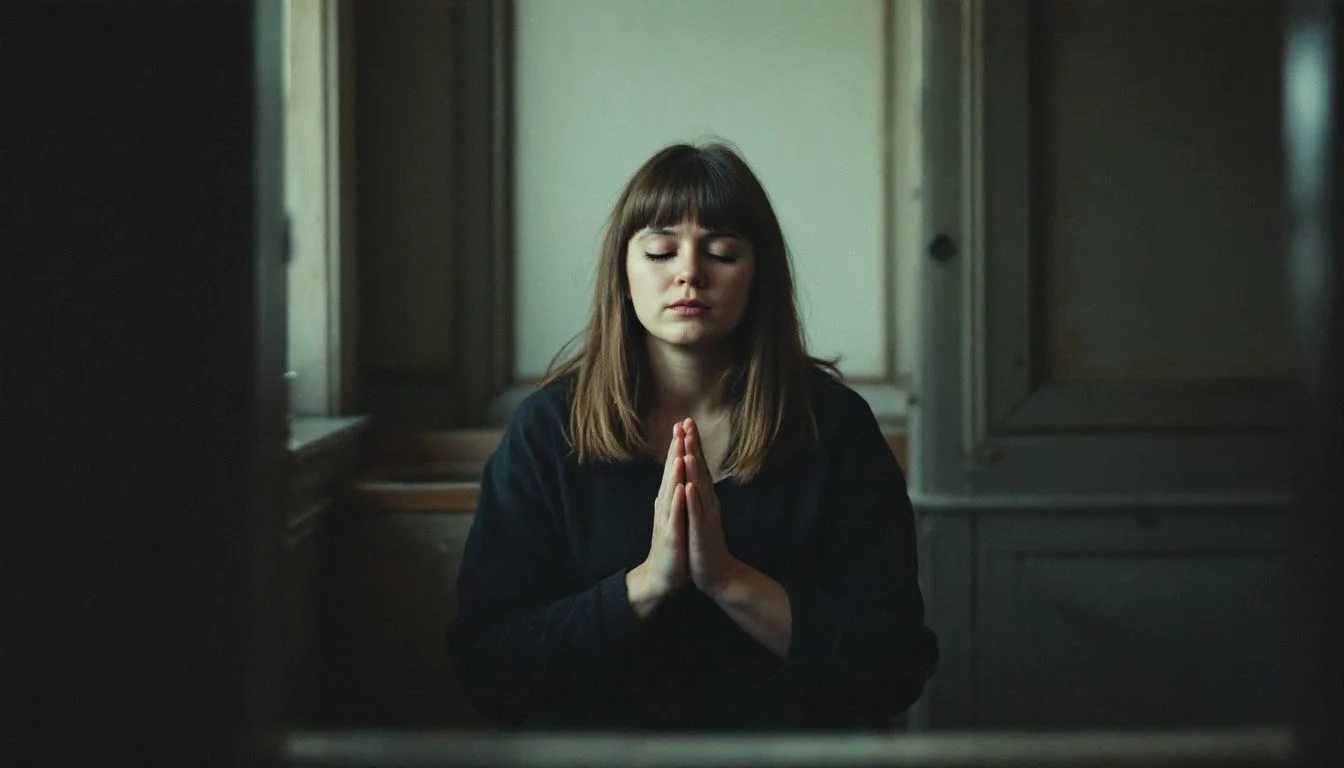
I decide how to pray based on what I need and how I want to show respect to God. Each position has its own meaning.
- Kneeling means humility. It’s a way of showing I understand God’s greatness.
- Sitting feels like talking with our father in heaven in a relaxed, yet respectful manner.
- Standing is about seeking power or praising god the father.
- Lying face down shows total surrender to Christ’s authority, as if giving everything to God.
- Walking helps when having long conversations with God, especially useful for praying through the Psalms.
- Raising hands signals worship and an openness to receive blessings from the Holy Trinity.
- Closing eyes cuts off distractions, making it easier to focus on my prayer.
These methods help me connect with God, whether asking for guidance, expressing gratitude for his mercies, or sharing thoughts about my day.
When and Where to Pray


You can pray to God anytime, anywhere—your room, a church, or outdoors. Life is busy, but finding time for prayer, like in the early morning or during a quiet evening, is important.
Best Times for Prayer
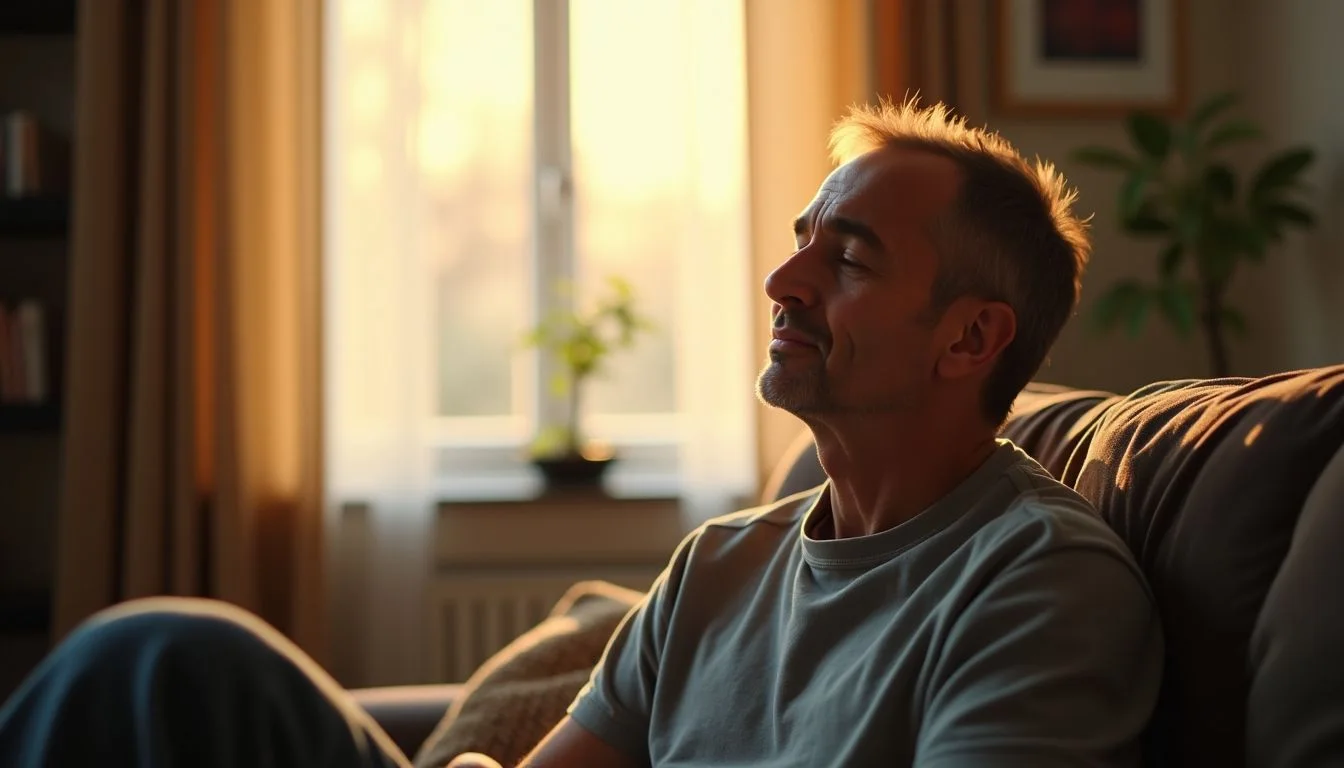
I pray in the morning and evening, as the Bible suggests in Psalms and 1 Chronicles 23:30. Morning prayers set a positive start to my day, and evening prayers bring peace at night.
Daniel’s practice of praying three times a day shows that any time is good for prayer.
Prayer is key during both good and bad times. In joy, I thank God for His blessings, following Psalm 107’s guidance. During struggles or sadness, I reach out to God for strength and comfort.
Acts 4 and Psalm 102 assure me that God hears my prayers regardless of my situation.
Suitable Places to Pray
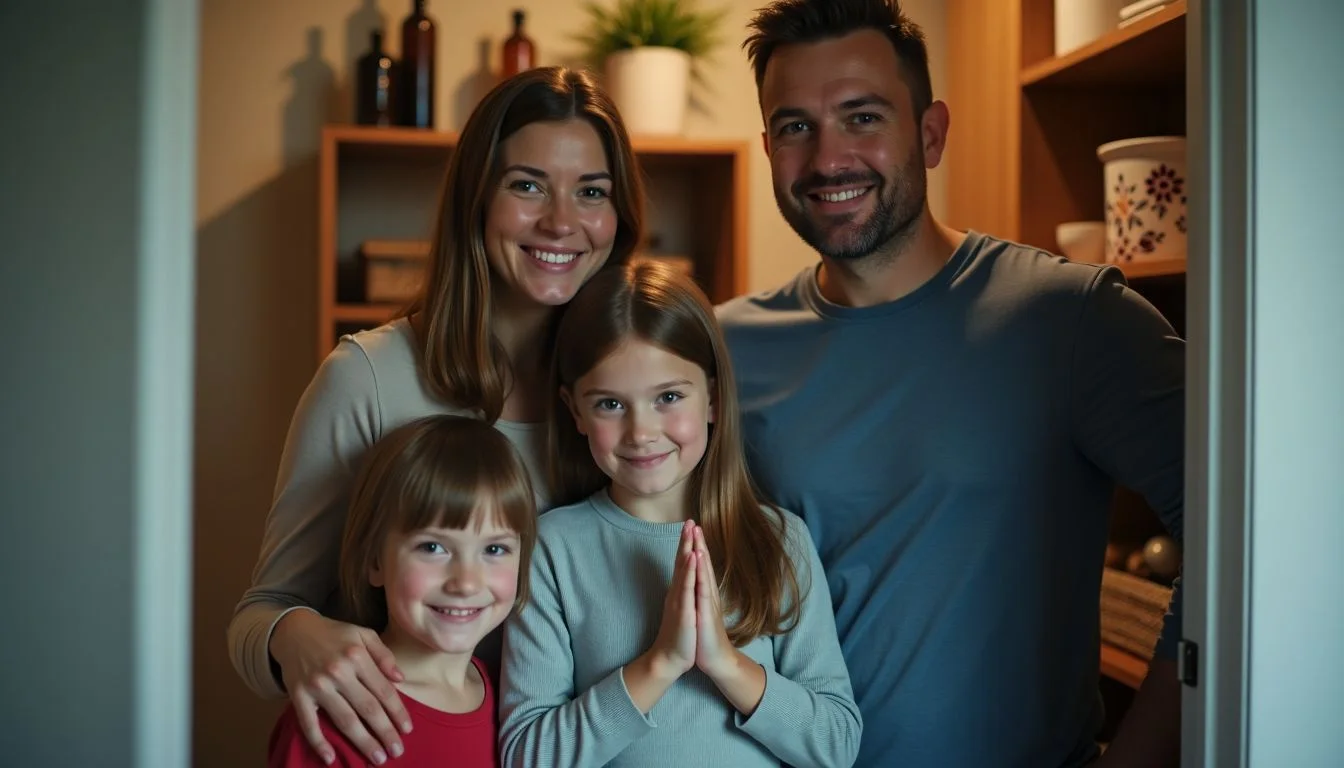
People pray in many places like homes, closets, or outdoors on mountains and deserts. A closet may seem small but it’s good for quiet time with God. It shows that no grand space is needed to connect with the Lord.
Praying outside makes us feel God’s greatness as our prayers seem to reach the sky. The temple is a special place for prayer, showing unity in faith; yet any quiet spot can become sacred if we focus on talking to God.
So, any place can be right for prayer if we have a pure intention and give full attention to our conversation with our Father in heaven.
Conclusion


Prayer is talking to God, no matter where or when. I learned the most important part of prayer is my heart’s condition. I can talk to Him on a walk, before eating, or in the quiet morning hours.
The Bible tells us we can pray anywhere, even in tough situations—like Jonah inside a fish. Keeping my prayers simple and heartfelt makes my connection with God stronger. This journey has shown me that sincerity in prayer matters more than location or time.
FAQs
1. What is the Lord’s Prayer?
The Lord’s Prayer, found in the Bible, is a prayer given to us by Jesus Christ. It starts with “Our Father in heaven” and ends with “Amen”. It covers many aspects of life like grace, forgiveness for transgressions and protection from being tempted.
2. When should I pray according to Christian teachings?
There isn’t a specific time set for praying but it can be done at any time. The psalmist in Psalm 2 prayed during times of silence or trouble while Luke mentions that Jesus often prayed at the sixth hour.
3. How does confession fit into prayer?
Confession is part of prayer where we admit our sins to God and ask for forgiveness. This practice comes from John 5:14 which emphasizes turning away from sin after receiving grace.
4. Can anyone learn how to pray?
Yes! Anyone can learn how to pray using spiritual gifts granted through salvation by faith in God incarnate – Jesus Christ, our Savior.
5. Why do we end prayers with ‘Amen’?
‘Amen’ signifies agreement with what has been said during the prayer and acknowledges the authority of scriptures guiding our prayers.
6. What power does praying in the name of Jesus hold?
Praying in the name of Jesus carries great power as it aligns us with His glory and authority given by God Himself as part of the Trinity; it’s an affirmation of belief in His life, death on cross, resurrection and His role as mediator between us and God.